The personal story
Edgar Natolo
Edgar Natolo was sitting at the back of a real estate conference when his raised hand became difficult to ignore. The presenters were asking how many listings people had. As the numbers climbed, hands came down. Edgar's stayed up. Eventually they asked him for his number: he and his assistant, Clint, were carrying 64 listings between them in their Ormeau patch.
He had gone there to learn. By his own account, he was shy enough to sit at the back, and had not realised quite how unusual their workload was. At the event, hosted by Glenn Twiddle, the response was that he should be sharing his methods from the stage. An invitation to speak followed, opening a part of his working life he had not arrived expecting.
That moment says something about the person behind the businesses. Edgar has always been willing to ask how someone else achieved something. He has also been willing to try things, get some of them wrong and share what he learnt. Property, business systems, social media and cars all appear in his story, often connected by a conversation that gave him another idea.
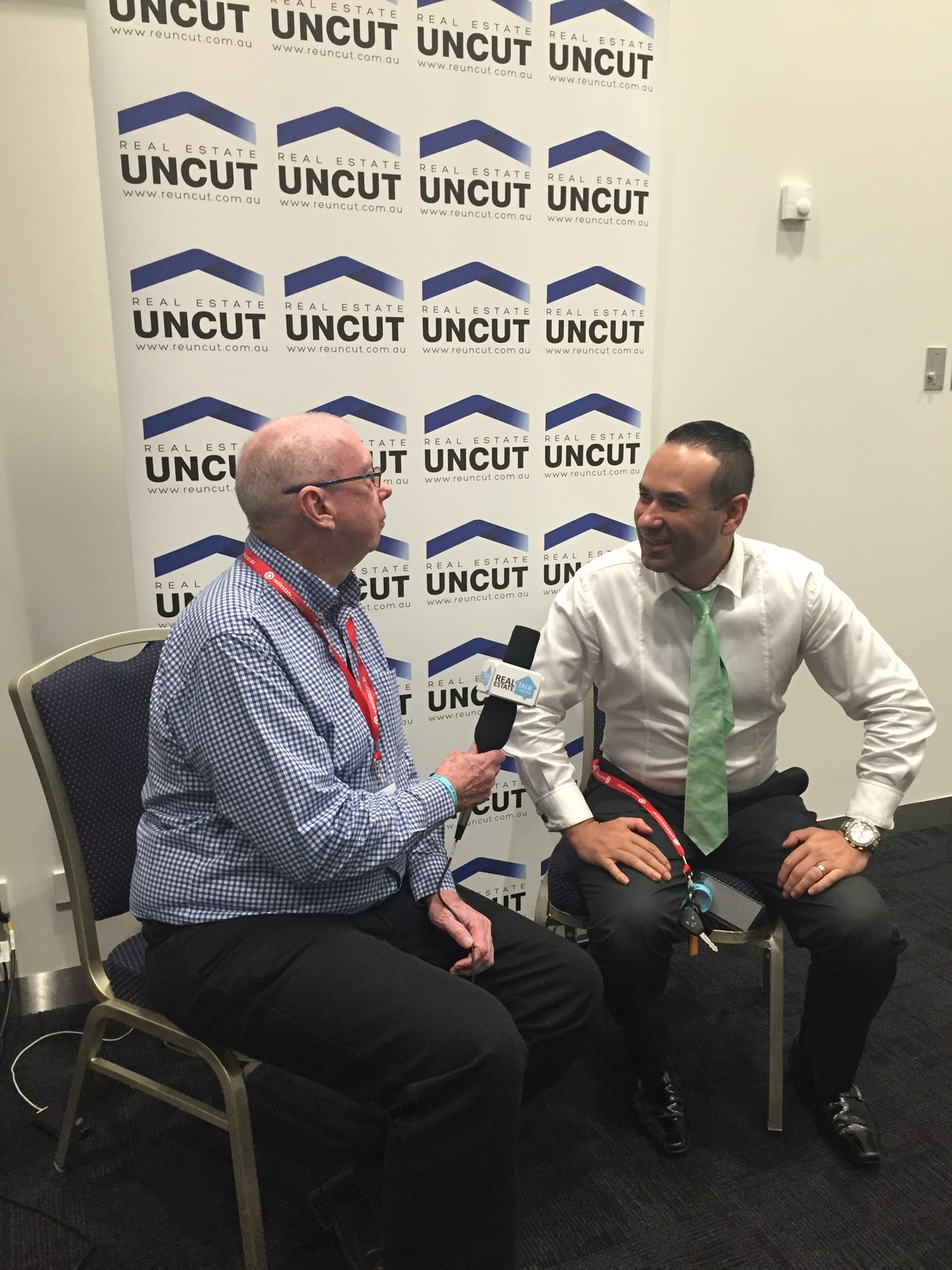
Growing up asking questions
Born in Melbourne to Argentinian parents, Edgar spent his childhood moving between countries and schools. He went to school in the United States and Canada before the family moved to New South Wales and then Queensland. New people were a regular part of life, and he became comfortable talking to them. His response to someone else's success was usually curiosity.
He found the idea of cutting successful people down puzzling. If someone had done something he wanted to do, why not ask them how? Learning from their experience seemed quicker than trying to work everything out alone. That instinct stayed with him as he began reading about business and talking to people whose lives he admired.
One lesson particularly stuck: work towards the things you want, and give yourself a reason to keep going. The business owners he learnt from treated property differently from the toys they enjoyed. He took from them the importance of building cash flow and saving for a goal. Money mattered because it could help create the life he wanted, rather than being the goal by itself. Reading about multiple streams of income also changed what he was aiming for. He wanted income that did not rely only on the hours he could work, so that larger goals would be achievable sooner.
Finding his place in the family business
His introduction to real estate was practical. In Grade 11, he helped his parents in their Chris Cooper & Associates franchise in Southport. Being part of the family meant helping out, but he soon found reasons to enjoy the work for himself. He liked meeting people, visiting different houses and helping buyers and sellers make decisions.
He also studied law at Bond University. He enjoyed it, but seeing the working lives of friends in law firms helped him recognise what suited him. Real estate offered the chance to be out and about, talking with people and seeing places. He preferred that everyday rhythm. Marketing studies at Griffith University gave him ideas he could put to work in the business.
When his parents decided to leave the franchise, the new name came from a family conversation. Their surname supplied the Nat, and the idea of family members working together supplied the group. Natgroup carried that connection into the next stage of the business. Edgar went on to help establish an office in Pimpama, then a small country town between Brisbane and the Gold Coast.
He remembers not knowing where Pimpama was when he first saw the opportunity. What interested him was the room to build a business in an area with fewer competing offices. Expansion into Ormeau followed through the purchase of an existing real estate office. The work of becoming known locally was much less glamorous than the word expansion might suggest: advertisements, flyers, calls and plenty of knocking on doors.
Employing people brought another education. Pauline knew the area and its people well, helping the business find its feet locally. Mario brought a focused approach to calling and door-knocking. Edgar remembers learning from both. The ideas he had studied were now being tested alongside people who brought their own experience, and he was learning how to run a team while running the business.
Learning to invest through experience
Edgar recalls being around 21 when he bought his first property with his family. It was a small top-floor unit in Southport with a very large balcony. He knew the area from school and liked its position. He contributed as much as he could, but he is clear that he was still learning what owning an investment actually involved.
Reading about cash flow was one thing; funding the shortfall himself was another. He remembers working hard to keep putting money into that first investment. A second purchase did not happen quickly. There was some fear, and plenty he had not yet learnt about how to move forward. He thinks it was another five or six years before he bought his first house.
That house became the first home he bought with his wife. Confidence developed gradually. Later, they bought another house as an investment through the real estate office, after a staff member brought it to his attention. This time, he recalls buying sight unseen because the numbers worked for him. It was a different level of confidence from his first purchase, reached through experience rather than arriving fully formed.
His interest in numbers grew into a cash-flow analysis system of his own. He describes roughly two decades of trial and error behind it, including things he did well and things he wished he had checked more carefully. The purpose was to help him decide which investments to buy and which to leave alone. The mistakes were part of developing the method.
By October 2026, Edgar reported a shared tally of 42 property renovations. That practical work sits alongside the purchases and repayments in his account of learning through experience.
People and systems that support each other
When Edgar describes the team he wanted to build, he uses the phrase 'SWAT team'. He meant a small, capable group with complementary strengths, rather than simply employing as many people as possible. He wanted people who knew more than he did in different parts of the business, so that learning could go both ways.
That also meant giving people room to do their work and confidence to ask questions. He did not expect to have every answer before starting. Problems could become the reason to develop a better system together. His preference for a boutique agency, supported by a network of agencies and agents across South East Queensland, continues that emphasis on capability and relationships.
Property management gave him a clear reason to put this thinking into practice. Clients described frustrations with communication, consultation and the care of their properties. As an investor himself, he wanted to build an experienced team with a clearer way of keeping track of what needed to happen. His own question was simple: how would he want his property looked after?
The early systems were paper-based. A checklist was printed, and each completed step was ticked, initialled and dated. If someone was sick or away, another person could pick up the file and continue. It was a practical response to the fact that a business has to keep working when the person who knows a particular file is not there.
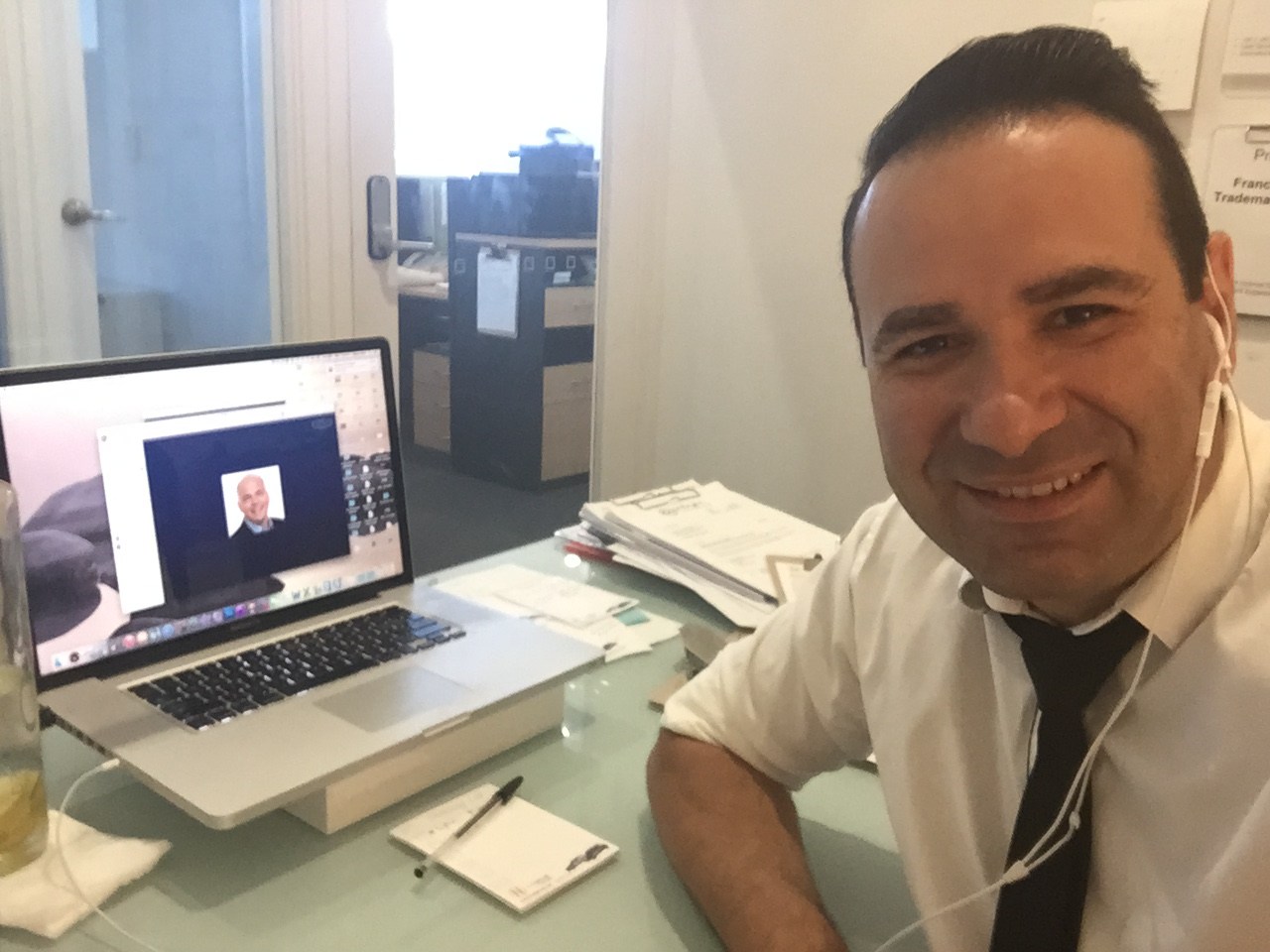
Sharing what he was learning
The conference invitation grew into speaking engagements around Australia. Edgar spoke about prospecting, sales, property management, attracting clients and running systems. He later trained teams at real estate brand conferences on selling, vendor management and marketing. Much of what he shared came from methods he had tried in his own business, including the consistent prospecting he and Clint had used in Ormeau.
His speaking experience also connected with helping create The Real Estate Community, a place for people from different real estate agencies and brands to exchange ideas. The appeal was familiar to him: learn from people doing the work, and let others learn from you. The same person who had asked successful business owners questions was now helping make that exchange easier for others.
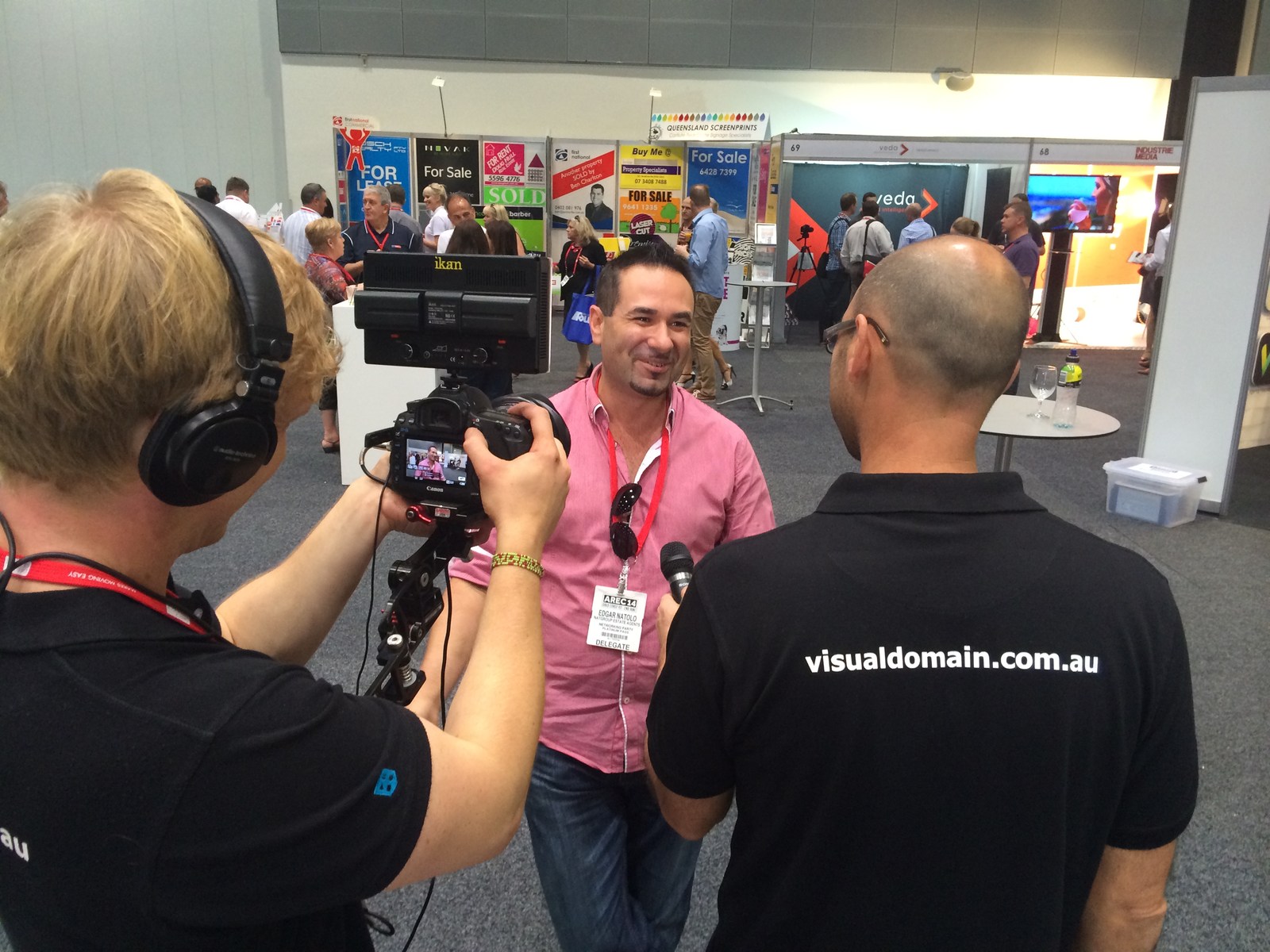

Social media was a less immediate enthusiasm. Edgar resisted Facebook for about two years before recognising that many of the people he wanted to reach were already there. He began making property videos and sharing his experience of business, including what had worked and what had not. Everyday life and the motivation he found along the way became part of the mix.
He enjoyed helping other businesses use it too, sharing ideas and small systems without charging for that advice. He recalls being called the 'social media king', a description he found funny. As he saw it, he was testing things and passing on what he knew. His following grew around that approach and the parts of his life people could relate to.
The cars and the goals behind them
His love of cars began a long way from a dream Porsche. His first car was a green Nissan Pulsar hatchback that cost about $500. He remembers it as ugly, and remembers loving it anyway. A cheap yellow Commodore handed down by his parents helped him get around, and a burgundy Celica brought the considerable excitement of pop-up headlights.
The Celica was the one he could afford. He added a 'Turbo' sticker, a flourish he looks back on with humour when he thinks about what anyone who knew cars would have made of it. Among the other cars he remembers fondly is a silver Ford Capri convertible, owned around 2001. The pleasure was in the cars themselves, well before the bigger purchase he would eventually work towards.

There were other memorable cars along the way, including a bright yellow Honda S2000, a black Nissan 300ZX Twin Turbo and a blue Audi TT Quattro. A Volkswagen Golf also had its turn. The sequence was not a tidy climb through increasingly expensive badges. Different cars belonged to different stages of his life, and his affection for them included the modest ones.

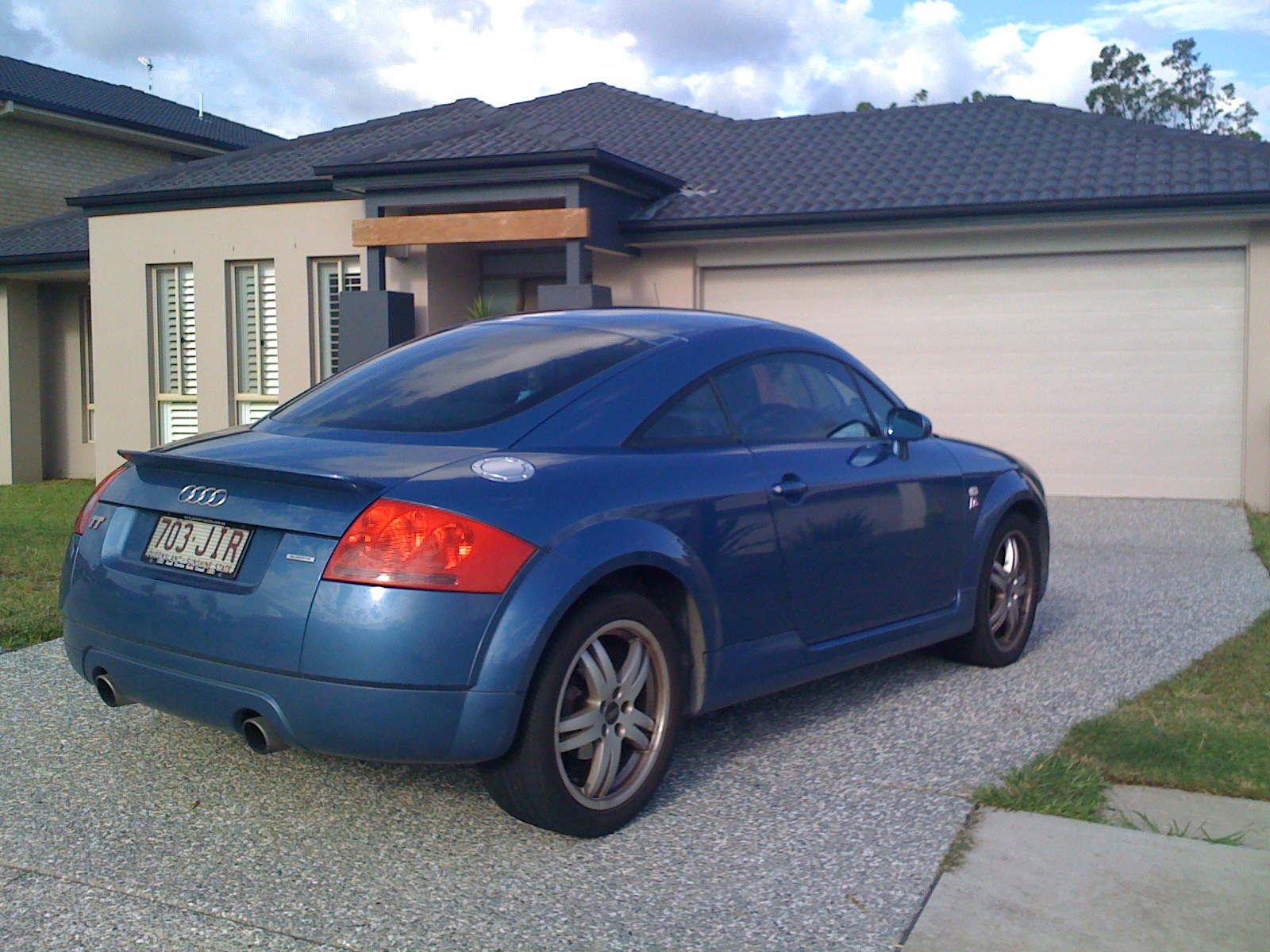
He remembers arriving at the conference that led to his speaking career in a black BMW 120i convertible. Alongside his property goals, he set himself another: buy the dream car outright. He wanted to earn it and save for it rather than borrow for it. By his recollection, that meant ten years of putting money away.
The Porsche he eventually bought first caught his eye on My Kitchen Rules. It belonged to Gianni and Zana, and he remembers watching the programme and thinking that was the car he wanted. A month or two after the show finished, he saw it advertised on Carsales. He flew to Melbourne, met them and bought it. They became friends too.

After years of saving and analysing property purchases, this particular negotiation was brief. He says he did not negotiate at all. He had worked towards the goal, found the car and wanted it. The story has an enthusiasm that is easy to recognise in his account of the $500 Pulsar: he really likes cars, and he likes having something to work towards.
Making room for the things he enjoys
That mix of business and personal interest is visible in the different parts of Edgar's life. Alongside Natgroup, his interests include Supercar Community, Sip Society and Natgroup Projects, with social media, editorial work and promoting other businesses among his activities. He enjoys sharing what interests him and helping people get their own work in front of others.

For Edgar, the reason to work hard has always included the life beyond work. Property and cash flow were part of making that possible; cars were one of the things he wanted to enjoy along the way. He still returns to the lesson he learnt from others early on: set a goal worth working towards, but pay attention to the journey. There are people to meet, things to learn and some very good memories to make before arriving.
Meet the Natgroup team
Meet the people at Natgroup and find their current roles and contact details in the official team directory.